
Introduction to Inspection and Handling Methods for Refrigerant Leak in Cold Storage
2025-02-20
If you don't observe any refrigerant in the sight glass of the cold storage liquid receiver, it indicates that there is a refrigerant leak in the cold storage.
First, it should be determined whether it is an external leak or an internal leak. If it is an external leak in the cold storage. For example, if the cold storage has not been used for a long time, it is possible that there will be leakage problems in the pipeline system. This is because some cold storage pipelines are made of aluminum pipes. So, when not used for a long time, the aluminum pipes are prone to developing leaks. First, a remedial measure can be taken. Repair the leak. Then, re - check for any other leak points. After confirming there are none, start evacuating the system to prepare for refrigerant charging.
If it is an internal leak problem, generally, copper pipes need to be coiled.
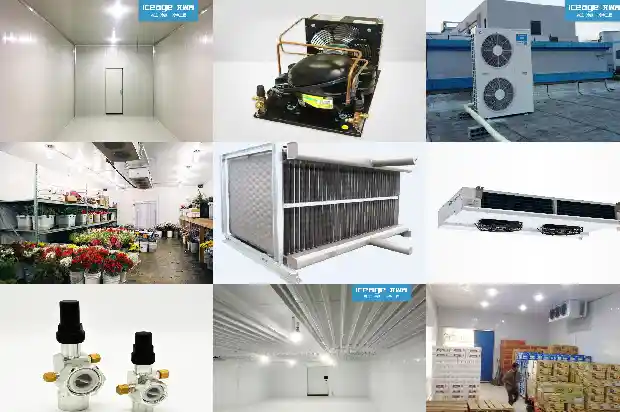
The self - compressor can be used to evacuate the system.
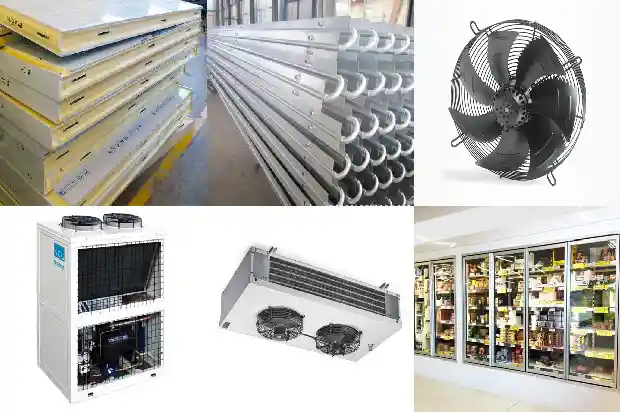
After the system is evacuated, refrigerant can be charged directly by using the pressure difference to stop the machine.
Related Articles
- Installation Project and Usage Introduction of Parallel Compressor Units in Cold Storage
- Brief Introduction to the Working Principle of Lithium Bromide Absorption Refrigeration Unit
- Introduction to the Construction Technology of Garlic Fresh - keeping Warehouse
- Introduction to the Installation Process of Marine Prefabricated Cold Storage
- Introduction: Ten Key Points Every Refrigeration Professional Should Know
- Introduction to Cold Storage Refrigeration Systems
- Introduction to Energy - saving Methods of Cooling Towers
- Introduction to the Application of End - product, Fan and Motor Characteristics (Fan - coil Unit Section)
- Comprehensive Introduction to Chilled Water Systems of Large - scale Central Air - conditioners
- Introduction to Control Valves in Refrigeration Systems
- Introduction to Basic Types of Cold Storage
- Introduction to Lithium Bromide Absorption Chillers
- Introduction to the Advantages of Dual - temperature Cold Storage
- Introduction to Various Water Tanks in Air - conditioning Systems
- Introduction to the Cleaning Processes and Methods of Heat Exchangers and Cooling Towers
- Introduction to Six Kinds of Two-stage Compression Refrigeration Systems
- Introduction to Key Points of Compressor Grouping in Quick-freezing Cold Storage
- Introduction to the Construction and Features of Cold Storage in Cold Chain Logistics