
Receiver in Cold Storage Refrigeration System
2024-09-30
Accumulator, also known as liquid storage barrel, reservoir, or liquid storage tank. In a refrigeration system, it is mainly used to adjust and stabilize the circulation volume of the refrigerant, store the refrigerant, and is a sealed container that can withstand a certain pressure. The high-pressure accumulator is connected to the outlet of the condenser and is used to store the high-pressure liquid refrigerant coming from the condenser and provide liquid refrigerant to the system evaporator. It plays the role of liquid seal in the system. After the refrigerant dissipates heat and condenses in the condenser, it changes from gaseous state to liquid state. The use of an accumulator can make the refrigerant gather in liquid state to ensure that the refrigerant entering the expansion valve is completely liquid and prevent the phenomenon of liquid-gas mixture entering the expansion valve due to poor condensation.
In terms of the structure of the accumulator, generally, there is a balance pipe on the upper part of the accumulator and a drain pipe at the bottom. In addition, it is also equipped with a liquid inlet valve, a liquid outlet valve, as well as safety valves, pressure equalizing valves, oil drain valves, valves for releasing air, etc.
The pressure of the accumulator is approximately the same as that of the condenser. According to relevant national regulations, as a container-type equipment, the accumulator should also be equipped with a liquid level indicator (liquid level gauge) and a pressure gauge.
For cold storages using ammonia refrigerant, a water spray protection system is also set up above the tank body of the accumulator. In case of leakage, the spray system can be automatically opened to dilute the leaked ammonia to facilitate fire prevention or emergency repair.
The liquid storage capacity of the accumulator is indicated by the percentage of the height of the liquid level gauge. The liquid storage capacity is generally 30% to 80% of the volume of the accumulator. Among them, 30% of the volume means that the liquid supply pipe of the accumulator must be kept below the liquid level and cannot be exposed above the liquid level to avoid high-pressure gas entering the low-pressure system and ensuring the normal liquid supply of the refrigeration system. 80% of the volume means that 20% of the space should be left for the accumulator as a buffer space for gas expansion to avoid explosion accidents.
In the refrigeration system of cold storages, accumulators can be divided into four types: high-pressure accumulator, low-pressure accumulator, circulation accumulator, and drain tank according to their functions and the pressures they bear. The structure of the accumulator is basically the same as that of the drain tank.
For large and medium-sized cold storages using ammonia refrigeration systems, generally, it is required that there should be no less than two high-pressure accumulators equipped. At the same time, the specific site conditions should also be considered. After selection calculation, if the system is large and it is found that the volume of one accumulator is large, it can be selected to be divided into two or more units for parallel use to facilitate daily maintenance and operation.
For the selection of accumulators, mainly calculate their volume and then select according to the manufacturer's sample. The capacity calculation of the high-pressure accumulator is related to the total circulation volume of the refrigerant per hour in the refrigeration system (kg/h) and the specific volume of the liquid at the condensation temperature (m3/kg). At the same time, consider the liquid filling degree and volume coefficient of the container. The maximum amount of refrigerant stored in the accumulator does not exceed 80% of the volume. Therefore, a filling degree coefficient of 0.7 is generally selected. Generally, when the nominal volume of the cold storage is less than or equal to 2000m3, the coefficient is 1.2; when the nominal volume of the cold storage is 2000-10000m3, the coefficient is 1.0; when the nominal volume of the cold storage is 10001-20000m3, the coefficient is 0.8; when the nominal volume of the cold storage is greater than 20000m3, the coefficient is 0.5.
For small and medium-sized refrigeration systems, the volume of the accumulator should be able to accommodate all the filling amount in the refrigeration device. For refrigeration systems equipped with multiple evaporators, the volume of the accumulator should be greater than the sum of the filling amounts of multiple evaporators.
When the accumulator leaves the factory, the manufacturer generally has taken protective measures such as cleaning and qualification, anti-rust sealing, etc. If it is protected intact before installation, it can be directly installed and used. If it is found that the protection measures are invalid when it is delivered and installed, it needs to be blown and tested for air tightness again.
In terms of the structure of the accumulator, generally, there is a balance pipe on the upper part of the accumulator and a drain pipe at the bottom. In addition, it is also equipped with a liquid inlet valve, a liquid outlet valve, as well as safety valves, pressure equalizing valves, oil drain valves, valves for releasing air, etc.
The pressure of the accumulator is approximately the same as that of the condenser. According to relevant national regulations, as a container-type equipment, the accumulator should also be equipped with a liquid level indicator (liquid level gauge) and a pressure gauge.
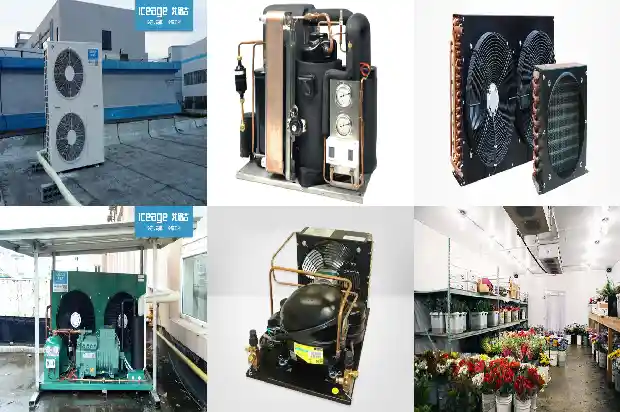
For cold storages using ammonia refrigerant, a water spray protection system is also set up above the tank body of the accumulator. In case of leakage, the spray system can be automatically opened to dilute the leaked ammonia to facilitate fire prevention or emergency repair.
The liquid storage capacity of the accumulator is indicated by the percentage of the height of the liquid level gauge. The liquid storage capacity is generally 30% to 80% of the volume of the accumulator. Among them, 30% of the volume means that the liquid supply pipe of the accumulator must be kept below the liquid level and cannot be exposed above the liquid level to avoid high-pressure gas entering the low-pressure system and ensuring the normal liquid supply of the refrigeration system. 80% of the volume means that 20% of the space should be left for the accumulator as a buffer space for gas expansion to avoid explosion accidents.
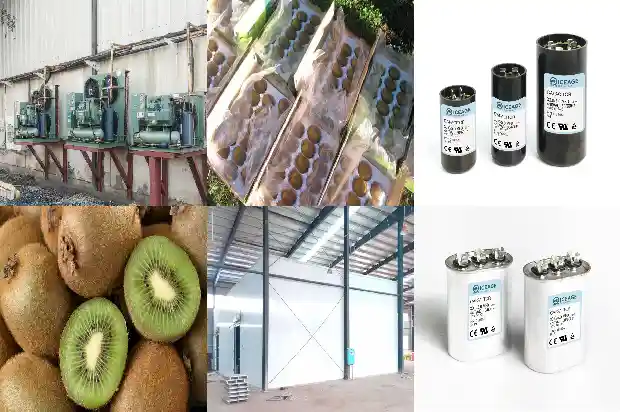
In the refrigeration system of cold storages, accumulators can be divided into four types: high-pressure accumulator, low-pressure accumulator, circulation accumulator, and drain tank according to their functions and the pressures they bear. The structure of the accumulator is basically the same as that of the drain tank.
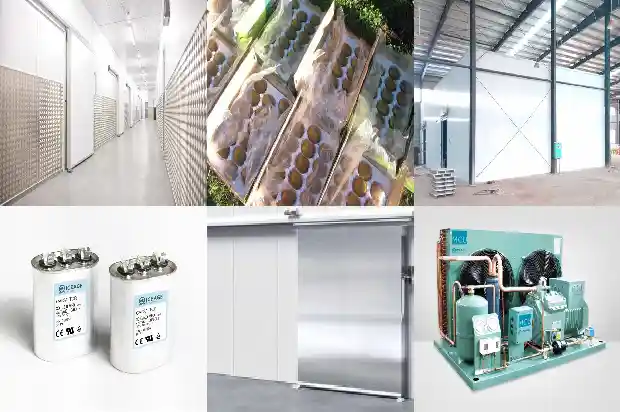
For large and medium-sized cold storages using ammonia refrigeration systems, generally, it is required that there should be no less than two high-pressure accumulators equipped. At the same time, the specific site conditions should also be considered. After selection calculation, if the system is large and it is found that the volume of one accumulator is large, it can be selected to be divided into two or more units for parallel use to facilitate daily maintenance and operation.
For the selection of accumulators, mainly calculate their volume and then select according to the manufacturer's sample. The capacity calculation of the high-pressure accumulator is related to the total circulation volume of the refrigerant per hour in the refrigeration system (kg/h) and the specific volume of the liquid at the condensation temperature (m3/kg). At the same time, consider the liquid filling degree and volume coefficient of the container. The maximum amount of refrigerant stored in the accumulator does not exceed 80% of the volume. Therefore, a filling degree coefficient of 0.7 is generally selected. Generally, when the nominal volume of the cold storage is less than or equal to 2000m3, the coefficient is 1.2; when the nominal volume of the cold storage is 2000-10000m3, the coefficient is 1.0; when the nominal volume of the cold storage is 10001-20000m3, the coefficient is 0.8; when the nominal volume of the cold storage is greater than 20000m3, the coefficient is 0.5.
For small and medium-sized refrigeration systems, the volume of the accumulator should be able to accommodate all the filling amount in the refrigeration device. For refrigeration systems equipped with multiple evaporators, the volume of the accumulator should be greater than the sum of the filling amounts of multiple evaporators.
When the accumulator leaves the factory, the manufacturer generally has taken protective measures such as cleaning and qualification, anti-rust sealing, etc. If it is protected intact before installation, it can be directly installed and used. If it is found that the protection measures are invalid when it is delivered and installed, it needs to be blown and tested for air tightness again.
Related Articles
- What Are the Common Reasons for Difficulties in Cooling a Cold Storage?
- Introduction to Inspection and Handling Methods for Refrigerant Leak in Cold Storage
- How to Resolve the Scuffing Issue of Cold Storage Compressors
- What is the Correct Operation Method of the Distribution Box during Cold Storage Installation?
- Reasons for Frost Formation in Cold Storage and Defrosting Methods
- What Are the Differences Between R22 and R404A Cold Storage Systems?
- Maintenance Methods for Small Modular Cold Storage Failures
- What Vacuum Requirements Do Cold Storage Equipment Have?
- What Issues Should Be Noted in Cold Storage Installation and Construction?
- Common Malfunctions in the Operation of Cold Storage
- What Special Requirements are There for the Installation of Tea Cold Storage?
- How to Solve the Problem of Frequent Shutdown and Startup of Cold Storage Compressors?
- What are the Storage Conditions of Nectarine in Controlled Atmosphere Cold Storage?
- What Precautions Should Be Taken When Using a Fresh - keeping Cold Storage in Summer?
- Introduction to Basic Types of Cold Storage
- Common Cold - chain Storage Methods for Fruit and Vegetable Cold Storage
- How to Choose Between Water-cooled and Air-cooled Cold Storage?
- Introduction to the Advantages of Dual - temperature Cold Storage