
Concepts of Total Heat Exchange and Sensible Heat Exchange and Their Structural Differences
2025-04-16
I. Concepts of Total Heat Exchange and Sensible Heat Exchange
The cooling capacity in air conditioning is divided into sensible cooling capacity and latent cooling capacity.
The cooling capacity in air conditioning is divided into sensible cooling capacity and latent cooling capacity.
II. Structural Differences between Total Heat Exchangers and Sensible Heat Exchangers
A sensible heat exchanger is a type of heat exchanger. It can only exchange heat and cannot exchange humidity. While a total heat exchanger can exchange both heat and humidity, and each has its own advantages.
The dehumidification effect of a sensible heat exchanger is not obvious. More precisely, the dehumidification of all heat exchangers is actually the removal of moisture, and the moisture removal effect of a total heat exchanger is relatively obvious. The most fundamental function of both is to exchange fresh air, and dehumidification is only an auxiliary function. Of course, a dehumidifier is the best choice if you want to dehumidify fundamentally.
The only difference between sensible heat and total heat lies in the filter core. The core of a sensible heat exchanger is made of aluminum, and the core of a total heat exchanger is made of paper. According to certain principles, sensible heat is better than total heat. The aluminum core of the sensible heat exchanger is corrosion-resistant, easy to wash (just rinse it directly under clean water when it gets dirty), has a long service life, and is resistant to extrusion. However, after the paper core of the total heat exchanger is corroded by the moisture and dust in the air, it will block the ventilation openings and cannot be cleaned. This leads to poor ventilation effect and ineffective moisture removal. The simplest solution is to replace the paper core.
A total heat exchanger enables the hot and cold transformation of media at different temperatures.
During operation in summer, the fresh air obtains cooling capacity from the exhaust air of the air conditioner, reducing its temperature. At the same time, it is dried by the air from the air conditioner, reducing the moisture content of the fresh air.
During operation in winter, the fresh air obtains heat from the exhaust air of the air-conditioned room, increasing its temperature. At the same time, it is humidified by the exhaust air of the air-conditioned room.
The difference between total heat and sensible heat lies in the influence on humidity. If there is not much requirement for humidity, choose a sensible heat exchanger. Conversely, choose a total heat fresh air ventilator.
A total heat exchanger is an energy-saving device used for the energy recovery of air conditioner exhaust air. Its main components are the outer shell, the heat exchange core body, and the filter. Since the heat exchange core body uses materials with heat transfer and moisture permeation properties, when applied to an air conditioning system, it can use the exhaust air to precool and dry the fresh air in summer and preheat and humidify the fresh air in winter, significantly reducing the fresh air load, thereby saving the energy consumption of the heating and cooling systems. For small-scale systems, it is very beneficial for saving operating costs and reducing peak electricity consumption. Its total heat exchange efficiency is related to the structural characteristics of the heat exchange core body, the air volume passing through, the ratio of the air volumes of the two air flows passing through the core body, and the inlet air parameters.
Generally speaking, total heat exchangers are more commonly used in southern regions, while sensible heat exchangers are more commonly used in northern regions relatively.
A sensible heat exchanger is a type of heat exchanger. It can only exchange heat and cannot exchange humidity. While a total heat exchanger can exchange both heat and humidity, and each has its own advantages.
The dehumidification effect of a sensible heat exchanger is not obvious. More precisely, the dehumidification of all heat exchangers is actually the removal of moisture, and the moisture removal effect of a total heat exchanger is relatively obvious. The most fundamental function of both is to exchange fresh air, and dehumidification is only an auxiliary function. Of course, a dehumidifier is the best choice if you want to dehumidify fundamentally.
The only difference between sensible heat and total heat lies in the filter core. The core of a sensible heat exchanger is made of aluminum, and the core of a total heat exchanger is made of paper. According to certain principles, sensible heat is better than total heat. The aluminum core of the sensible heat exchanger is corrosion-resistant, easy to wash (just rinse it directly under clean water when it gets dirty), has a long service life, and is resistant to extrusion. However, after the paper core of the total heat exchanger is corroded by the moisture and dust in the air, it will block the ventilation openings and cannot be cleaned. This leads to poor ventilation effect and ineffective moisture removal. The simplest solution is to replace the paper core.
A total heat exchanger enables the hot and cold transformation of media at different temperatures.
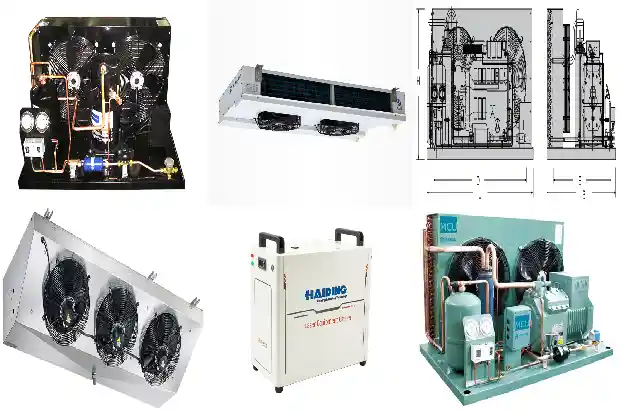
During operation in summer, the fresh air obtains cooling capacity from the exhaust air of the air conditioner, reducing its temperature. At the same time, it is dried by the air from the air conditioner, reducing the moisture content of the fresh air.
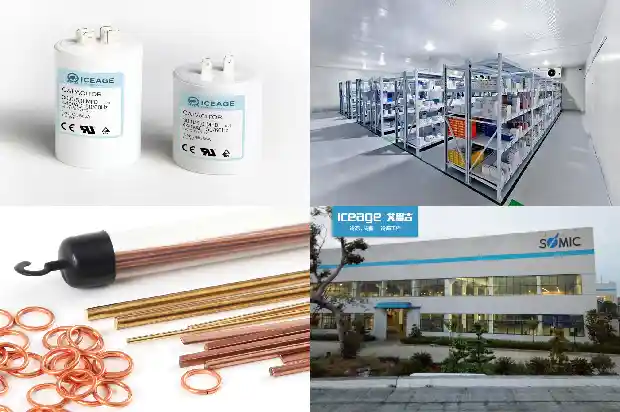
During operation in winter, the fresh air obtains heat from the exhaust air of the air-conditioned room, increasing its temperature. At the same time, it is humidified by the exhaust air of the air-conditioned room.
The difference between total heat and sensible heat lies in the influence on humidity. If there is not much requirement for humidity, choose a sensible heat exchanger. Conversely, choose a total heat fresh air ventilator.
A total heat exchanger is an energy-saving device used for the energy recovery of air conditioner exhaust air. Its main components are the outer shell, the heat exchange core body, and the filter. Since the heat exchange core body uses materials with heat transfer and moisture permeation properties, when applied to an air conditioning system, it can use the exhaust air to precool and dry the fresh air in summer and preheat and humidify the fresh air in winter, significantly reducing the fresh air load, thereby saving the energy consumption of the heating and cooling systems. For small-scale systems, it is very beneficial for saving operating costs and reducing peak electricity consumption. Its total heat exchange efficiency is related to the structural characteristics of the heat exchange core body, the air volume passing through, the ratio of the air volumes of the two air flows passing through the core body, and the inlet air parameters.
Generally speaking, total heat exchangers are more commonly used in southern regions, while sensible heat exchangers are more commonly used in northern regions relatively.
Related Articles
- HVAC (Heating, Ventilation and Air Conditioning) — The Influence of Lubricating Oil on the Refrigeration System
- Expert Decryption: Analysis of the Causes of High Superheat and Low Suction Pressure in the Refrigeration System!
- Air Conditioning Design Schemes for Large Spaces like Theatres and Gymnasiums
- Can Cooling Towers Solve the Problem of Refrigeration Units Releasing Heat in Winter?
- Countermeasures for Common Problems of Defrosting during Winter Heating of Air-cooled Modules
- Must-know: Advantages and Disadvantages of Eleven Heating and Cooling Solutions!
- Must-know: Advantages and Disadvantages of 14 Heating and Cooling Solutions!
- Is the Compressor in the Cold Storage Overheating in Summer? Find the Reasons Here!
- Four Major Factors Affecting the Boiling Heat Transfer of Refrigerant Liquid
- Performance Comparison of Air-Cooled Heat Pumps, Multi-Split Systems and Water-Cooled Units
- ASHRAE Calculation of Cooling and Heating Loads
- Is the Compressor of the Cold Storage Unit Overheating? Find the Reasons Here!
- Why Does the Compressor Always Trigger the Overheat Protection?
- Analysis of Causes for Compressor Liquid Hammer, Overheating and Pre - heating
- Refrigeration Repair Techniques: A Must - Know - "Sub - cooling" and "Super - heating"
- Defrosting Heating Tubes in Refrigeration Devices
- Essential for Maintenance! Parameters and Phenomena of Normal Operation of Refrigeration and Heating Systems
- Principles, Components and Heat Recovery of Modular Units