Refrigeration Oil & Lubricant
 Refrigeration Oil, also known as Refrigeration Lubricant, is a core component of refrigeration systems. It is used to lubricate all moving parts inside refrigeration compressors. In compressors, refrigeration oil mainly serves four functions: lubrication, sealing, cooling, and capacity control.
- Lubrication
Refrigeration oil lubricates the compressor during operation, reducing friction and wear, thereby extending the service life of the compressor. - Sealing
Refrigeration oil acts as a sealant in the compressor, sealing gaps between pistons and cylinder walls, as well as between rotating bearings, to prevent refrigerant leakage. - Cooling
While lubricating moving components, refrigeration oil carries away heat generated during operation, keeping parts at a low temperature and improving compressor efficiency and reliability. - Capacity Control
For refrigeration compressors equipped with capacity control mechanisms, the oil pressure of refrigeration lubricant can be used as the power source for the capacity control system.
Due to different applications and refrigerants, refrigeration equipment requires different types of refrigeration oil. The main requirements for refrigeration oil are as follows:
- Pour Point
The pour point is the temperature at which refrigeration oil stops flowing under test conditions. The pour point of refrigeration oil should be as low as possible (e.g., below -55°C for R22 compressors). Otherwise, it will hinder refrigerant flow, increase flow resistance, and result in poor heat transfer. - Viscosity
Viscosity is a critical parameter of refrigeration oil. Different refrigerants require corresponding grades of refrigeration oil.
Excessively high viscosity increases mechanical friction power, frictional heat, and starting torque.
Excessively low viscosity prevents the formation of a sufficient oil film between moving parts, resulting in insufficient lubrication and cooling. - Cloud Point
The cloud point is the temperature at which paraffin begins to precipitate in refrigeration oil, causing the lubricant to become turbid. The cloud point of refrigeration oil must be lower than the evaporation temperature of the refrigerant; otherwise, it may cause throttle valve blockage or poor heat transfer. - Other Properties
These include chemical stability, oxidation resistance, low moisture and mechanical impurity content, and electrical insulation properties. - Flash Point
The flash point is the lowest temperature at which the vapor of refrigeration oil ignites when exposed to an open flame. The flash point of refrigeration oil must be 15–30°C higher than the discharge temperature to avoid combustion and coking.
The temperature of refrigeration oil should generally be maintained between 45–60°C, and preferably stable. The maximum temperature should not exceed 70°C. Persistently unstable or gradually rising oil temperature usually indicates a malfunction.
Either excessively low or high oil temperature will degrade the refrigeration lubricant and often signals impending equipment failure.
The key parameter for refrigeration oil pressure is the oil pressure differential. Failure to build up sufficient oil pressure means the oil pump cannot deliver oil properly. The required oil pressure depends on the compressor structure.
Refrigeration Lubricant
-
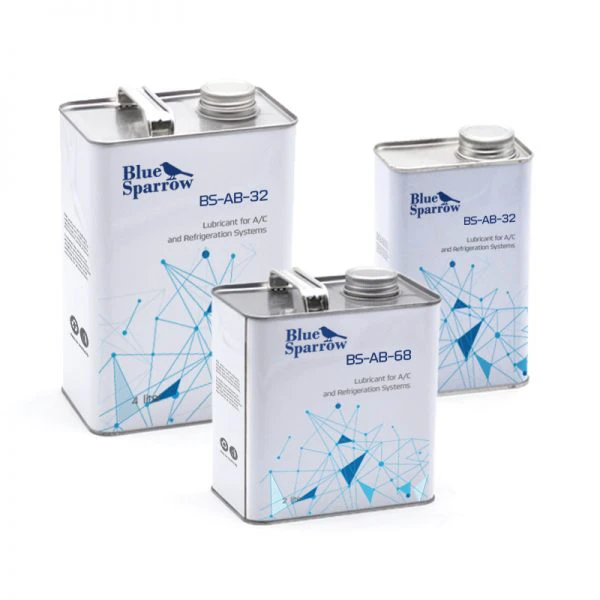
Alkylbenzene Refrigeration Oil
Fully synthetic refrigeration oils based on chemically and thermally stable alkylbenzenes. Excellent performance for low temperature applications and low evaporation loss.
Does not contain sulfur, nitrogen and other impurities. Excellent miscibility and stability with CFC, HCFC refrigerants.Benefits:
- Optimized solubility in HCFC, CFC and blended refrigerants
- Long oil life, with excellent oxidative stability
- Protects against wear, rust and corrosion
- Good film strength and anti-wear properties
- Non-toxic/non-hazardous
-
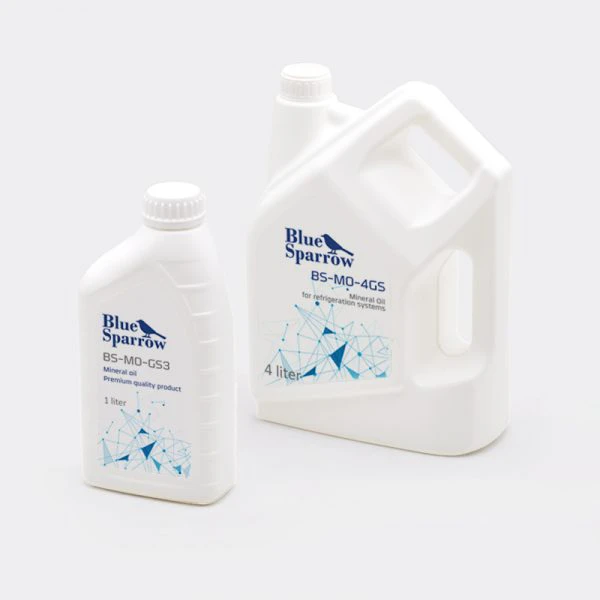
Mineral Refrigeration Oil
Highly refined, naphthenic mineral oils with high ageing stability, low pourpoint, excellent low-temperature behavior and particularly good compatibility with the CFCs (R12, R502), HCFCs (R22, retrofit blends) and natural gas (R600a, R290, R717 etc.).
Recommended for use in commercial refrigeration and air-conditioning systems charged with CFC and HCFC refrigerants, also suitable for use with natural-type refrigerants including ammonia, isobutane and propane.Benefits:
- Optimized solubility in CFC, HCFC and blended refrigerants
- Long oil life, Carbon and varnish control to help reduce deposits
- Controls rust for enhanced component protection
- Good film strength and anti-wear properties
- High flash and auto-ignition points for additional safety
- Non-toxic/non-hazardous
-
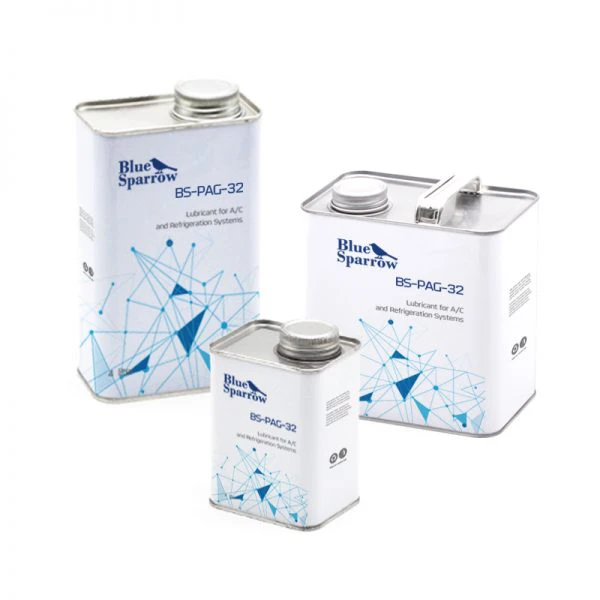
PAG Refrigeration Oil
Fully synthetic refrigeration oil based on polyalkylene glycols (PAG). Specially developed for automotive air conditioning systems which use R134a as refrigerant. It is modulated by a unique double-end capped polyalkylene glycol chemical structure. With advantages of inactive and stable, resistant to moisture, keeping long-lasting lubrication performance to the highest level.
Benefits:
- Excellent oxidative and thermal stability
- Resists rust and corrosion
- Oxidation stability promotes long oil life at very high temperatures
- Good film strength and anti-wear properties
- High flash and auto-ignition points for added safety
- High viscosity index for better compressor protection at elevated temperatures
- Non-toxic/non-hazardous
-
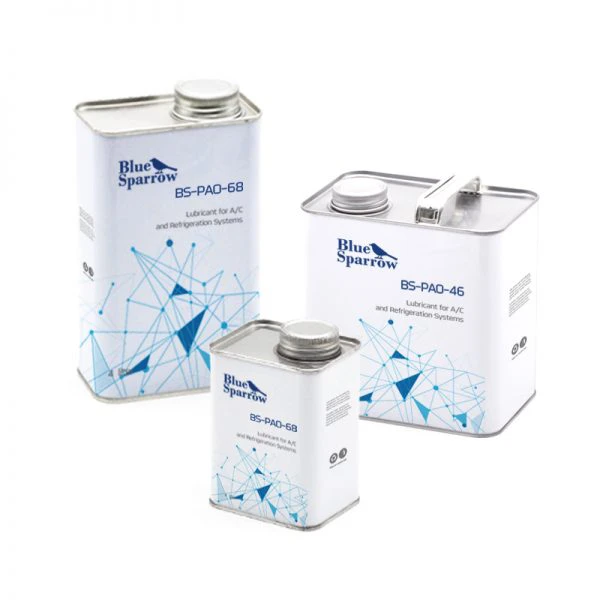
PAO Refrigeration Oil
Synthetic refrigeration oil based on polyalphaolefins (PAO), developed especially for the lubrication of NH3 compressors. Excellent stability with NH3 and outstanding cold flow properties. Very good lubricity also in hydrocarbon (propane R290, propylene R1270, etc.) applications.
Benefits:
- Improved compressor anti wear protection for extended compressor life
- Long oil life, with excellent oxidative stability
- Avoid viscosity build up & reduced oil consumption
- Protects against wear, rust and corrosion
- Non-toxic/non-hazardous
-
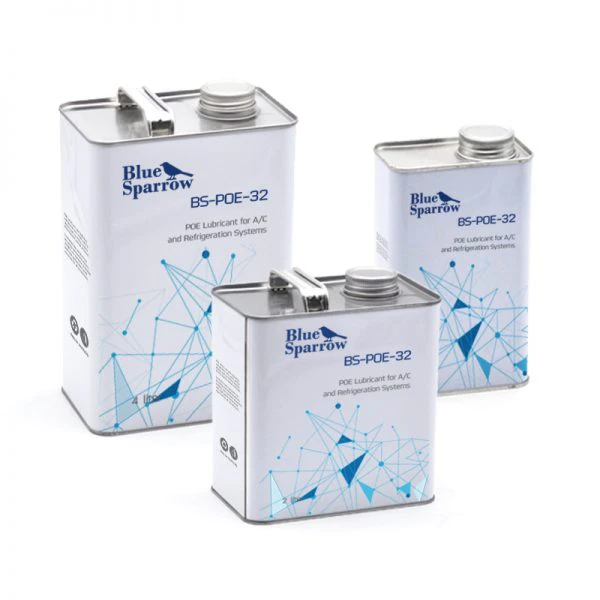
POE Refrigeration Oil
Made from synthetic grease as base oil, providing outstanding performance in a wide variety of air conditioning and refrigeration compressors, can be used in most reciprocating, scroll, screw and many centrifugal compressors on the market.
POE synthetic refrigeration lubricant is recommended for use with all HFC refrigerants such as R134A, R404A, R410A and R407C. It is also compatible with HCFC refrigerants and it can be used with confidence in system containing R22 or HCFC based blends.Benefits:
- Excellent solubility in HFC and blended refrigerants
- Controls carbon and varnish to help reduce deposits
- Long oil life, allowing for extended oil-drain intervals
- High viscosity index for better compressor protection at elevated temperatures
- Controls rust for enhanced component protection
- Outstanding film strength and anti-wear properties
- Maintains fluidity in low temperatures
- Non-toxic/non-hazardous
-
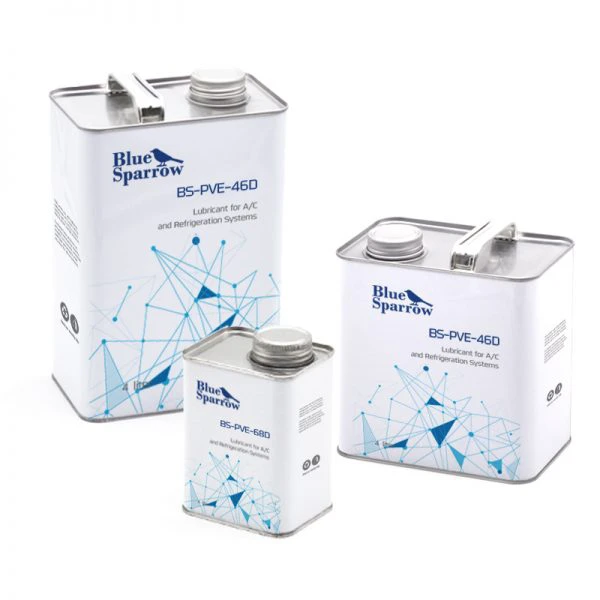
PVE Refrigeration Oil
PVE is a new generation lubricant that exhibit excellent performance characteristics in air conditioning and refrigeration applicants. They are particularly well suited for use with all HFC refrigerants.
In addition to its solubility and miscibility characteristics, the PVE lubricant provides for increased stability and lubrication. In particular, PVE lubricants do not hydrolyze in the presence of moisture, and are compatible with other refrigeration oils and process fluids.Benefits:
- Compatible with all HFC refrigerants
- Excellent lubricity for greater wear protection
- Perfect for retrofitting
- Does not hydrolyze to form acid
- Non-toxic/non-hazardous
-
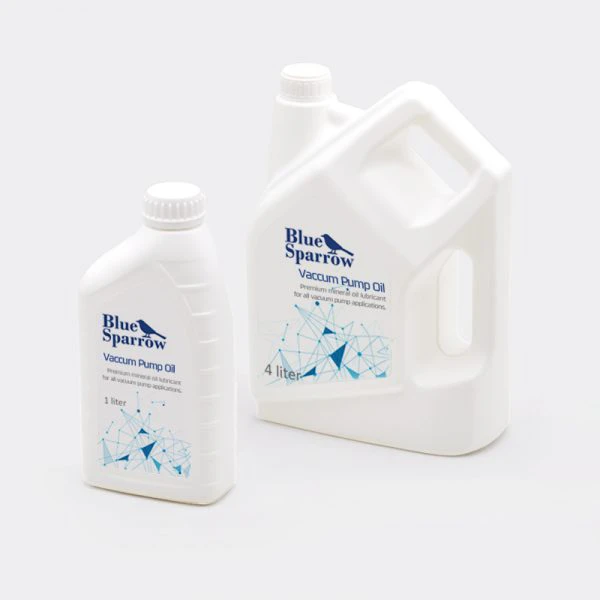
Vaccum Pump Oil
The vacuum pump oil is designed to maintain the vacuum pump’s ideal operation performance. It has a very low vapor pressure and excellent lubricity for complete surface protection.
Benefits:
- Excellent oxidation resistance for long fluidlife
- Protection from rust and corrosion to extend machine life
- Excellent water separationmaintains lubricating film strength
- Good detergency for clean operation and deposit resistance
Lubricant Data
| Lubricant | Viscosity, 40ºC | Viscosity, 100ºC | Density, 20ºC | Pour point | Flash point | Acid value |
|---|---|---|---|---|---|---|
| mm²/s | mm²/s | g/cm³ | ºC | ºC | mgKOH/g | |
| ASTM D445 | ASTM D445 | ASTM D1298 | ASTM D97 | ASTM D92 | ASTM D974 | |
| BS-AB-32 | 31.8 | 4.9 | 0.879 | -53 | 218 | <0.02 |
| BS-AB-46 | 46.0 | 6.1 | 0.882 | -53 | 246 | <0.02 |
| BS-AB-56 | 56.8 | 6.5 | 0.883 | -50 | 246 | <0.02 |
| BS-AB-68 | 67.6 | 7.2 | 0.884 | -46 | 248 | <0.02 |
| BS-AB-100 | 89.2 | 11.2 | 0.898 | -38 | 285 | <0.02 |
| Lubricant | Viscosity, 40ºC | Viscosity, 100ºC | Density, 20ºC | Pour point | Flash point | Acid value |
|---|---|---|---|---|---|---|
| mm²/s | mm²/s | g/cm³ | ºC | ºC | mgKOH/g | |
| ASTM D445 | ASTM D445 | ASTM D1298 | ASTM D97 | ASTM D92 | ASTM D974 | |
| BS-MO-3GS | 32.0 | 4.7 | 0.901 | -42 | 196 | <0.02 |
| BS-MO-4GS | 64.5 | 5.2 | 0.903 | -35 | 209 | <0.02 |
| BS-MO-5GS | 90.0 | 8.2 | 0.906 | -34 | 218 | <0.02 |
| BS-MO-3GSD | 31.2 | 4.4 | 0.867 | -42 | 234 | <0.02 |
| BS-MO-4GSD | 54.8 | 5.7 | 0.887 | -36 | 239 | <0.02 |
| BS-MO-5GSD | 98.6 | 7.7 | 0.893 | -28 | 246 | <0.02 |
| Lubricant | Viscosity, 40ºC | Viscosity, 100ºC | Density, 20ºC | Pour point | Flash point | Acid value |
|---|---|---|---|---|---|---|
| mm²/s | mm²/s | g/cm³ | ºC | ºC | mgKOH/g | |
| ASTM D445 | ASTM D445 | ASTM D1298 | ASTM D97 | ASTM D92 | ASTM D974 | |
| BS-PAG-32 | 31.6 | 8.6 | 0.977 | -51 | 210 | <0.05 |
| BS-PAG-46 | 44.5 | 9.4 | 0.986 | -50 | 215 | <0.05 |
| BS-PAG-68 | 66.2 | 12.8 | 0.987 | -50 | 218 | <0.05 |
| BS-PAG-100 | 99.7 | 16.5 | 1.000 | -42 | 262 | <0.05 |
| BS-PAG-150 | 148.6 | 26.4 | 1.000 | -42 | 265 | <0.05 |
| Lubricant | Viscosity, 40ºC | Viscosity, 100ºC | Density, 20ºC | Pour point | Flash point | Acid value |
|---|---|---|---|---|---|---|
| mm²/s | mm²/s | g/cm³ | ºC | ºC | mgKOH/g | |
| ASTM D445 | ASTM D445 | ASTM D1298 | ASTM D97 | ASTM D92 | ASTM D974 | |
| BS-PAO-32 | 30 | 5.8 | 0.826 | -57 | 240 | <0.05 |
| BS-PAO-46 | 47 | 7.9 | 0.833 | -57 | 250 | <0.05 |
| BS-PAO-68 | 68 | 9.2 | 0.835 | -54 | 265 | <0.05 |
| BS-PAO-100 | 97 | 11.8 | 0.838 | -54 | 275 | <0.05 |
| BS-PAO-150 | 143 | 15.6 | 0.841 | -54 | 280 | <0.05 |
| Lubricant | Viscosity, 40ºC | Viscosity, 100ºC | Viscosity index | Density, 20ºC | Pour point | Flash point | Acid value |
|---|---|---|---|---|---|---|---|
| mm²/s | mm²/s | - | g/cm³ | ºC | ºC | mgKOH/g | |
| ASTM D445 | ASTM D445 | ASTM D2270 | ASTM D1298 | ASTM D97 | ASTM D92 | ASTM D974 | |
| BS-POE-22 | 22 | 5.3 | 98 | 0.993 | -60 | 228 | <0.02 |
| BS-POE-32 | 32 | 5.6 | 98 | 0.995 | -55 | 238 | <0.02 |
| BS-POE-46 | 46 | 9.2 | 96 | 0.989 | -48 | 245 | <0.02 |
| BS-POE-55 | 53 | 9.8 | 96 | 0.997 | -45 | 252 | <0.02 |
| BS-POE-68 | 65 | 8.3 | 96 | 1.003 | -40 | 255 | <0.02 |
| BS-POE-100 | 96 | 10.6 | 96 | 1.016 | -35 | 262 | <0.02 |
| BS-POE-120 | 121 | 12.4 | 95 | 1.017 | -35 | 265 | <0.02 |
| BS-POE-150 | 147 | 13.8 | 95 | 1.017 | -34 | 270 | <0.02 |
| BS-POE-170 | 168 | 15.3 | 95 | 1.019 | -33 | 271 | <0.02 |
| BS-POE-220 | 211 | 18.1 | 93 | 1.020 | -32 | 278 | <0.02 |
| BS-POE-320 | 309 | 31.2 | 92 | 1.021 | -28 | 290 | <0.02 |
| Lubricant | Viscosity, 40ºC | Viscosity, 100ºC | Density, 20ºC | Pour point | Flash point | Acid value |
|---|---|---|---|---|---|---|
| mm²/s | mm²/s | g/cm³ | ºC | ºC | mgKOH/g | |
| ASTM D445 | ASTM D445 | ASTM D4052 | ASTM D97 | ASTM D92 | ASTM D974 | |
| BS-PVE-46D | 46 | 6.8 | > 0.92 | < -35 | > 240 | <0.05 |
| BS-PVE-46S | 46 | 6.8 | > 0.92 | < -35 | > 240 | <0.05 |
| BS-PVE-50D | 56 | 7.4 | > 0.92 | < -35 | > 240 | <0.05 |
| BS-PVE-50S | 56 | 7.4 | > 0.92 | < -35 | > 240 | <0.05 |
| BS-PVE-68D | 68 | 8.3 | > 0.92 | < -35 | > 240 | <0.05 |
| BS-PVE-68S | 68 | 8.3 | > 0.92 | < -35 | > 240 | <0.05 |
| Lubricant | Viscosity, 40ºC | Viscosity, 100ºC | Density, 20ºC | Pour point | Flash point | Demulsibility |
Demulsibility |
|---|---|---|---|---|---|---|---|
| mm²/s | mm²/s | g/cm³ | ºC | ºC | (40-40-0)ml, min 54ºC | (40-40-0)ml, min 82ºC | |
| ASTM D445 | ASTM D445 | ASTM D1298 | ASTM D97 | ASTM D92 | ASTM D1401 | ASTM D1401 | |
| BS-VPO-46 | 41 - 50 | 6 - 8 | 0.865 | < 15 | > 180 | 10 | - |
| BS-VPO-68 | 61 - 74 | 8 - 10 | 0.865 | < 15 | > 180 | 15 | - |
| BS-VPO-100 | 90 - 100 | 7.5 - 9 | 0.865 | < 15 | > 180 | - | 20 |
Lubricant images



FAQs
Used refrigeration oil is hazardous.Routes of exposure: inhalation, ingestion.Acute inhalation may cause fatigue, dizziness, headache, and nausea; in severe cases, it can lead to lipoid pneumonia.For those with prolonged exposure, oily acne and contact dermatitis may occur at the exposed areas. It may also induce neurasthenic syndrome, respiratory and eye irritation, as well as chronic lipoid pneumonia.
Refrigeration compressors mainly include reciprocating, screw and centrifugal types. The refrigeration lubricant for the first two types is in direct contact with the compressed refrigerant, so the interaction between refrigeration lubricant and refrigerant must be considered. The refrigeration lubricant used in centrifugal compressors is only for rotor bearing lubrication, and can be selected based on load and rotating speed.
2、Select refrigeration lubricant according to the refrigerant type
For refrigeration lubricant in direct contact with refrigerant, their interaction must be taken into account. For example, Freon refrigerants are soluble in mineral lubricant , so the viscosity grade of refrigeration lubricant used should be one level higher than that for insoluble refrigerants, so as to prevent insufficient lubrication caused by lubricant dilution. In addition, attention should be paid to whether a small amount of refrigeration lubricant mixed in the refrigerant will affect the operation of the refrigeration system. The floc point of refrigeration lubricant is a quality indicator to check whether wax crystals precipitate from the refrigeration lubricant mixed in the refrigerant and cause blockage in the refrigeration system.
3、Select refrigeration lubricant according to the refrigerant evaporation temperature
Generally, refrigeration units with low refrigerant evaporation temperatures should use refrigeration lubricant with a low pour point, so as to prevent the refrigeration lubricant carried by the refrigerant from condensing on the throttle valve and evaporator, which would reduce refrigeration efficiency. For refrigeration units using ammonia as refrigerant, the pour point of refrigeration lubricant should be lower than the evaporation temperature. For those using Freon as refrigerant, the pour point of refrigeration lubricant can be slightly higher than the evaporation temperature.
4、Select refrigeration lubricant according to the operating conditions
Large and medium-sized multi-cylinder, high-speed (mean piston speed over 3 m/s) refrigeration units with relatively high load should use refrigeration lubricant with higher viscosity.
Moisture in air can mix with refrigeration lubricant when air enters the refrigeration system. High moisture content in the refrigerant will also cause water to contaminate the lubricant. When moisture is present in refrigeration lubricant, it reduces viscosity and causes corrosion to metal parts. In Freon refrigeration systems, it can also lead to “ice blockage”.
2、Oxidation
During operation, high discharge temperatures of the compressor may cause oxidation and deterioration of refrigeration lubricant, especially for lubricants with poor chemical stability. Over time, residues will form in the lubricant, resulting in poor lubrication of bearings and other components.
Contamination by organic fillers, mechanical impurities, etc., will also accelerate aging and oxidation.
3、Mixing Different Types of Refrigeration lubricant
Mixing different grades of refrigeration lubricant will reduce viscosity and may even destroy the lubricant film, causing damage to bearings. If two lubricants contain antioxidant additives of different properties, chemical reactions may occur and form sediments, impairing compressor lubrication. Therefore, caution must be taken during use.
4、Impurities in Refrigeration lubricant
The viscosity of refrigeration lubricant for refrigeration compressors must be appropriate. If the viscosity is too high, the lubricant film has a high load‑carrying capacity and can easily maintain hydrodynamic lubrication, but the flow resistance is large, which increases the frictional power consumption and starting resistance of the compressor. If the viscosity is too low, the flow resistance and frictional heat are low, but it is difficult to form a stable refrigeration lubricant film, and the sealing performance will also be affected. Since the discharge temperature of the refrigerant on the high‑pressure side is high during the operation of the refrigeration compressor, the viscosity of the refrigeration lubricant should not be too low. On the other hand, because low‑temperature gas is sucked in on the low‑pressure side, the viscosity of the refrigeration lubricant should not be too high either. The viscosity of all kinds of refrigeration lubricant decreases to varying degrees as the temperature rises. In refrigeration compressors, refrigeration lubricant with viscosity changing as little as possible with temperature should be selected, i.e., special refrigeration lubricant. The viscosity of refrigeration lubricant is also related to the miscibility of the refrigerant in the lubricant. For example, ammonia is immiscible with refrigeration lubricant, so refrigeration lubricant with lower viscosity should be used.
Reviews