
How does an industrial water chiller operate when it is used for water treatment?
2024-09-03
How does an industrial chiller start and operate during processing?
- According to the dispatching instruction, open the inlet and outlet gates of the switching well and close all other gates of the industrial chiller.
- Before starting the water pump, inject clear water through the connecting pipe on the stuffing box to lubricate the rubber bearing. After the pump discharges water, it can be turned down. A small amount of water dripping is appropriate. Check the oil level at the pump bearing position to ensure that the water and oil circuits are unobstructed everywhere.
- Before starting the water pump, check that there is no looseness at each connection part. Rotate the coupling by hand to see if it is flexible and if there is any noise inside the pump.
- When the water pump is started, no one should stand beside the machine. After starting, at least five minutes should be spent observing the equipment. If there is abnormal vibration, sound, or abnormal water discharge, the machine should be shut down immediately for inspection. It is never allowed to leave the machine pump immediately after being put into operation.
- What matters should be paid attention to when the water pump of the industrial chiller is in operation?
(1) Check whether each instrument is working normally and stably. Pay special attention to whether the ammeter exceeds the rated current of the motor. If the current is too large or too small, the machine should be shut down immediately for inspection.
(2) Check whether the water flow of the water pump is normal.
Check the water flow in the outlet pipe. According to the change in the water level of the pool, estimate the operating time of the water pump and contact the dispatcher in time.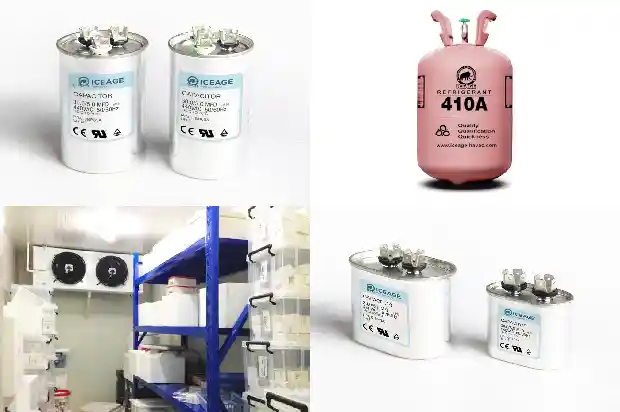
(3) Check whether the packing press plate of the water pump is hot and whether the dripping is normal. It should not be less than eight times per shift.
(4) Pay attention to the noise and vibration of the unit.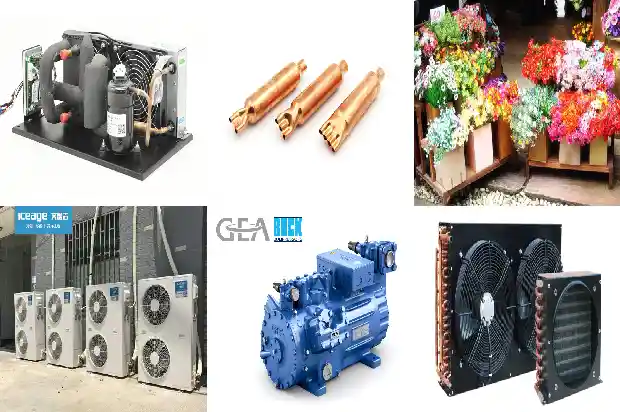
(5) Check the temperature rise of the bearing motor. If any abnormality is found, the machine should be shut down immediately and the on-duty dispatcher should be notified.
(6) Check whether the grille and the water inlet are blocked and whether the water level is too low. - The water pump motor generally allows six consecutive starts in the cold state, and the interval between two starts should be at least fifteen minutes.
Related Articles
- Calculation Methods of Water Pump Power
- Technology: Application of Water-side Evaporative Cooling in Data Centers
- Basic Tutorial on the Selection and Design of Water Pumps for Central Air Conditioning Water Systems
- Comprehensive Maintenance Guide for Air - Conditioning Hosts, Ducts, Chilled Water, and Cooling Water
- Control Requirements for the Variable Frequency Speed Regulation System of the Primary Chilled Water Pump
- The Most Comprehensive Analysis of Water Pump Failures in History, Summarized by an Expert!
- Six Misunderstandings about the Dual-supply Water-based System! Have You Fallen for Them?
- Air-cooled, Water-cooled, Chilled Water, Dual Cooling Source and Free Cooling Precision Air Conditioners
- Performance Comparison of Air-Cooled Heat Pumps, Multi-Split Systems and Water-Cooled Units
- HVAC - Construction Details for Condensate Water Drainage
- Performance Comparison of Multi - connected Units, Air - cooled Modules and Water - cooled Screw Units
- Working Principle and Daily Maintenance of Water-based Machines
- Analysis of the Causes and Hazards of Corrosion in the Circulating Water System
- Comprehensive Introduction to Chilled Water Systems of Large - scale Central Air - conditioners
- Consequences of System Tripping Due to the Absence of an Anti - siphon Pipe in the Stator Cooling Water System
- How Much Do You Know About the Chilled Water System of Large - scale Central Air - conditioners?
- Basic Faults and Preventive Maintenance of Water - cooled Units
- Three Common Methods for Removing Water Scale from Water - cooled Condensers