
Methods for Mold Removal in Cold Storage
2024-10-06
Molds generally grow in dark and damp places and can adapt to lower temperatures. Usually, the situation is most serious in high-temperature warehouses. When molds grow in cold storage, spores will fly everywhere and then contaminate the goods and products stored in the warehouse. Molds themselves are harmless and do not produce toxins. However, if molds grow on commodities, their appearance will be greatly reduced. At the same time, it will promote the decay of meat. Therefore, mold removal work has always been taken seriously. However, although there are many existing mold removal methods, they are all inconvenient to implement. What methods are there for mold removal in cold storage?
At present, there are three major categories of mold removal methods, namely: mechanical mold removal, physical mold removal and chemical mold removal.
I.
It is to clean and remove the moldy parts. It is also combined with other mold removal methods. In the mechanical mold removal method, there is an air washing method. That is, a water sprayer is installed at the air inlet. When the air circulates, the mold spores are washed away by passing through the water curtain. This method is like the current wet air cooler and can reduce molds. effect.
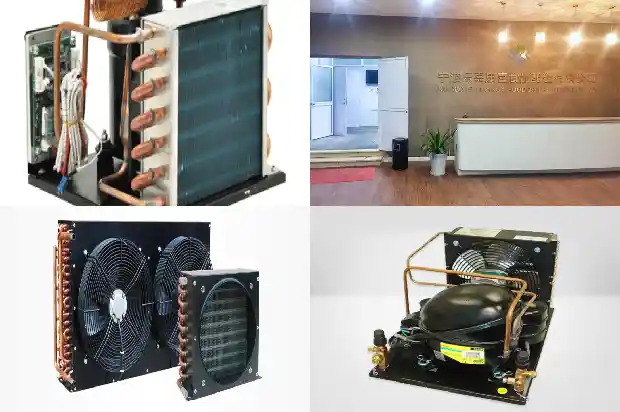
It is to clean and remove the moldy parts. It is also combined with other mold removal methods. In the mechanical mold removal method, there is an air washing method. That is, a water sprayer is installed at the air inlet. When the air circulates, the mold spores are washed away by passing through the water curtain. This method is like the current wet air cooler and can reduce molds. effect.
II. Physical mold removal method:
It uses physical means such as temperature, humidity, ultraviolet light, high-frequency electricity and copper wire mesh filters to remove mold. The temperature for mold growth is generally between -6 and 40 °C. For this reason, molds are rarely seen growing in low-temperature warehouses. Hot alkaline water can also be used to kill molds on tools and equipment. Mold growth is closely related to temperature. Therefore, temperature control can only be used appropriately. Removing mold with ultraviolet light is a better method. It can not only sterilize but also remove mold and has some deodorizing effects. However, this can only work on the directly irradiated part. Generally, ultraviolet light radiation of 0.33 to 3 watts per cubic meter can kill microorganisms by irradiating an area 2 meters away for 6 hours. However, the effect of ultraviolet light is affected by temperature and humidity. The closer it is to the normal temperature for microbial growth and the higher the humidity, the stronger the ability to sterilize and remove mold. Ultraviolet light can promote the oxidation and rancidity of fat, so pay attention when using it. The copper wire mesh filter is a net made of copper wire installed at the air return outlet, which can kill some molds.
It uses physical means such as temperature, humidity, ultraviolet light, high-frequency electricity and copper wire mesh filters to remove mold. The temperature for mold growth is generally between -6 and 40 °C. For this reason, molds are rarely seen growing in low-temperature warehouses. Hot alkaline water can also be used to kill molds on tools and equipment. Mold growth is closely related to temperature. Therefore, temperature control can only be used appropriately. Removing mold with ultraviolet light is a better method. It can not only sterilize but also remove mold and has some deodorizing effects. However, this can only work on the directly irradiated part. Generally, ultraviolet light radiation of 0.33 to 3 watts per cubic meter can kill microorganisms by irradiating an area 2 meters away for 6 hours. However, the effect of ultraviolet light is affected by temperature and humidity. The closer it is to the normal temperature for microbial growth and the higher the humidity, the stronger the ability to sterilize and remove mold. Ultraviolet light can promote the oxidation and rancidity of fat, so pay attention when using it. The copper wire mesh filter is a net made of copper wire installed at the air return outlet, which can kill some molds.
III. Chemical mold removal method: Commonly used ones are lactic acid, carbon dioxide, ozone, formaldehyde, bleaching powder, sodium fluoride, sodium hydroxydiphenol, etc.
- Lactic acid method: It is a reliable disinfection method. It can remove mold, kill bacteria and deodorize. The usage method is to first clear and clean the warehouse. Use 1 milliliter of crude lactic acid per cubic meter. For each portion of lactic acid, add 1 to 2 portions of clear water. Put the mixed solution in an enamel basin and heat and evaporate it on an electric stove. Generally, it is required to control the liquid medicine to evaporate within about half an hour to 3 hours. Then turn off the electric stove and close the warehouse door for about 6 to 24 hours to allow lactic acid to fully act on bacteria or molds to achieve the purpose of disinfection. Lactic acid disinfectant with one milliliter per cubic meter has a certain effect on mold removal and sterilization in the warehouse. After disinfection, the number of bacteria in the warehouse decreases by 70% and the number of molds decreases by 70%.
- Carbon dioxide method: It cannot kill molds at any concentration. It can only delay the growth of molds. At 0 °C, when the concentration of carbon dioxide in the indoor air reaches 40%, the growth of molds can be completely prevented. However, when its concentration in the air exceeds 20%, the meat will discolor due to the formation of denatured hemoglobin. It is generally believed that at 0 °C, when the concentration of carbon dioxide in the room is 10%, the storage period of chilled meat in the cold storage room can be extended by more than double.
- Ozone method: It is a relatively good method. It can sterilize, remove mold and deodorize. To use this method, an ozone generator should be used to split two atoms of oxygen in the air into two atoms of ozone. Inject the formed ozone into the cold storage. When the concentration is about 1 to 3 mg/m3, it can take effect. However, ozone is a strong oxidant. It can fade lean meat and oxidize fat. At the same time, ozone is irritating to human mucosa. So pay attention when using it.
- Formaldehyde method: namely formalin steam method. This method can remove toxins and sterilize. However, formalin has a strong odor. If it is absorbed by meat, it cannot be eaten. At the same time, formalin is very irritating to people. Pay attention to safety when using it. To use this method, the warehouse should be emptied and cleaned first. Generally, 15 milliliters of formalin is used per cubic meter. There are two ways to turn formalin into steam: one is to put formalin in a closed bucket and pass a pipe into the cold storage and burn it below; the other is to put formalin in an open bucket and place it in the cold storage.
The operator puts in an appropriate amount of potassium permanganate or quicklime, and then adds some water. When gas is generated, the personnel go out and close the warehouse door. After several hours of disinfection with formalin steam, then put ammonia in the room to absorb the formalin odor. After ventilation and disinfection, it is completed.
- Bleaching powder method: Use 4% bleaching powder solution for scrubbing. The disinfection effect is good. If 7 parts of washing soda are added to 5 parts of bleaching powder, the effect is better.
Ventilate and exhaust after several hours of disinfection.
- Sodium fluoride method: Mix 2% sodium fluoride and 20% kaolin to paint the walls. At 0 °C, no mold will grow for 1 to 2 years.
- Sodium hydroxydiphenol method: That is, use 2% sodium hydroxydiphenol solution to paint and remove mold. This method can prevent the odor from reaching the meat and will not corrode utensils. However, protective measures should be taken when painting.
Related Articles
- Summary of Classification Methods of Pressure Vessels
- Six Common Refrigeration Methods
- Names, Functions and Maintenance Methods of Each Component in the Cold Storage System
- Methods of Vacuuming, Leak Detection, Refrigerant Recovery and Charging for the Refrigeration System of a Cold Storage
- Don't Panic When the Refrigeration System Is Blocked: Here Are the Retrieval and Cleaning Methods
- Construction Methods of Pre-reservation and Pre-embedding in HVAC Engineering
- Selection Methods for Site, Capacity, Insulation Materials and Refrigeration System in Cold Storage Construction Design
- A Complete Guide to the Operation, Malfunctions and Repair Methods of Dry Screw Refrigeration Compressors!
- Analysis of Common Malfunctions and Treatment Methods of Cold Storage Equipment
- What Are the Daily Maintenance Methods for Controlled Atmosphere Cold Storage Equipment?
- Maintenance Methods for Screw Chiller Units
- Introduction to Energy - saving Methods of Cooling Towers
- Maintenance Methods for Exhaust Volume and Winding Performance of Typical Air - conditioner Compressors
- Liquid Supply Methods for Cold Storage Refrigeration Systems
- Common Faults and Treatment Methods of Single-phase Asynchronous Motors
- Several Methods of Defrosting in Cold Storage
- Frosting in the Cold Storage? A Detailed Explanation of the 9 Reasons for Frosting of Air Coolers and 4 Defrosting Methods~~
- Why Does the Air Cooler Frost? What Are the Defrosting Methods?