
Points to Note When Designing a Small Cold Storage
2025-04-30
The construction of small cold storages has quickly gained market recognition and been widely applied in various industries, such as supermarkets, hotels, farmlands, food processing workshops, hospitals, and pharmaceutical factories, thanks to a series of advantages including short installation period, quick and efficient use, and reasonable and affordable prices. For users who need to build small cold storages, they generally pay more attention to the design and model selection of small cold storages. The following are some reference opinions for you:
Pre-construction Planning
- Selection of the Construction Site:
1.1 Whether it is near the source of goods, whether the transportation is convenient, and the surrounding area of the cold storage site should have good hygienic conditions. It must avoid and keep away from harmful gases, dust, smoke, fumes, and other polluted areas.
1.2 Whether there are reliable water sources, power sources, and drainage conditions. Special attention: If the site has explosion-proof requirements, the equipment selection should be in strict accordance with the relevant explosion-proof requirements.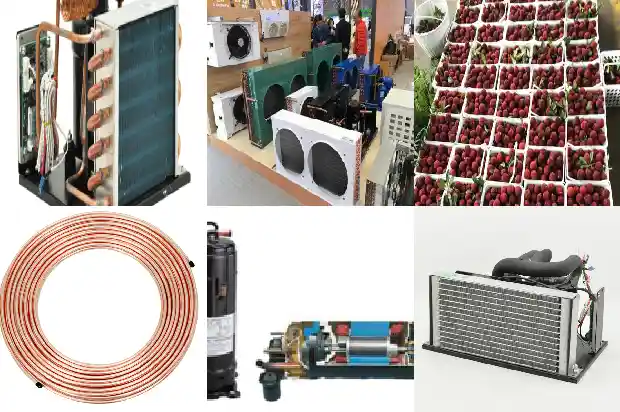
1.3 The installation of a small cold storage can be carried out indoors or outdoors. The construction cost indoors is relatively lower than that outdoors. - Selection of Stored Items and Temperature: The types of items stored in a small cold storage will affect the construction cost of the cold storage. Different items have different storage capacities and required temperatures. The construction cost of a small cold storage for storing common items (such as common fruits, vegetables, and meats) is relatively lower. For small cold storages storing special items, due to the installation of heating, ventilation, and humidification equipment, the construction cost is relatively higher.
- Configuration and Brand Selection of Refrigeration Equipment: The cost of refrigeration equipment accessories for small cold storages accounts for about 30% of the total construction cost of the cold storage.
Selecting high-quality imported refrigeration accessories can improve the refrigeration effect of the cold storage and extend its service life. Branded refrigeration equipment has a high cost-performance ratio and transparent prices. Ordinary refrigeration equipment has a lower cost, but its service life and refrigeration effect are worse than those of branded equipment.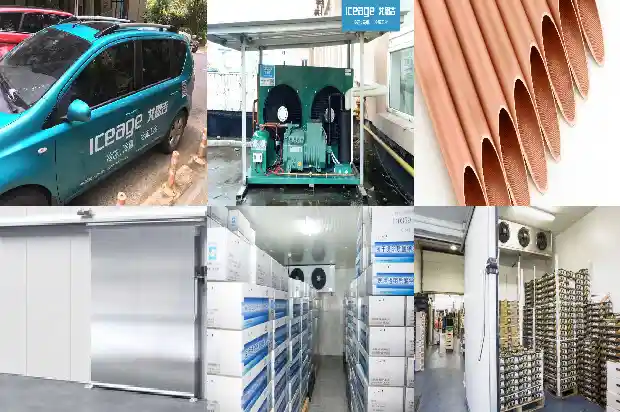
Design and Planning of the Cold Storage Door
The cold storage door of a small cold storage should be reasonably set according to the width of the on-site passage. Common cold storage door designs include sliding doors, sliding-sash doors, electric doors, rolling shutters, and swing doors, etc., which should be reasonably applied according to the customer's needs during construction. If the size of the goods transportation is limited, it is recommended to use a sliding-sash door that is convenient for large equipment and large goods to enter and exit.
The cold storage door of a small cold storage should be reasonably set according to the width of the on-site passage. Common cold storage door designs include sliding doors, sliding-sash doors, electric doors, rolling shutters, and swing doors, etc., which should be reasonably applied according to the customer's needs during construction. If the size of the goods transportation is limited, it is recommended to use a sliding-sash door that is convenient for large equipment and large goods to enter and exit.
Thermal Expansion Valve
The thermal expansion valve of the refrigeration device in the design and construction of the cold storage is suitable for evaporators without a free liquid surface, and it can be divided into internal balance type and external balance type. The specific selection principle is mainly determined by factors such as the refrigeration capacity, the type of refrigerant, the pressure difference before and after throttling, and the flow resistance of the refrigerant in the evaporator tubes to determine its form and model. Generally, a margin of 20% - 30% should be considered. Many common refrigeration problems are caused by incorrect selection of the expansion valve. For specific selection, you can check relevant videos and illustrated tutorials.
The thermal expansion valve of the refrigeration device in the design and construction of the cold storage is suitable for evaporators without a free liquid surface, and it can be divided into internal balance type and external balance type. The specific selection principle is mainly determined by factors such as the refrigeration capacity, the type of refrigerant, the pressure difference before and after throttling, and the flow resistance of the refrigerant in the evaporator tubes to determine its form and model. Generally, a margin of 20% - 30% should be considered. Many common refrigeration problems are caused by incorrect selection of the expansion valve. For specific selection, you can check relevant videos and illustrated tutorials.
Selection of the Refrigeration Compressor
There are many brands of compressors commonly available in the market. Currently, mechanical and electrical products, as well as domestic mechanical processing and production processes, are relatively mature. As long as the compressor is reasonably selected and it is not a refurbished second-hand machine, there are basically no major problems. When the required evaporation temperature is high and the actual condensation temperature is high, a two-stage compression refrigeration system needs to be adopted. Generally, a compression ratio of 8 is taken as the boundary. When the compression ratio is less than 8, single-stage compression is adopted; when the compression ratio is greater than or equal to 8, two-stage compression is adopted. Making each machine bear the heat load of only one evaporation temperature as much as possible during operation can achieve a better refrigeration effect. For a two-stage compression unit, the volume ratio of the high-pressure and low-pressure compressors can be reasonably adjusted according to the intermediate temperature, condensation temperature, evaporation temperature, and other conditions.
There are many brands of compressors commonly available in the market. Currently, mechanical and electrical products, as well as domestic mechanical processing and production processes, are relatively mature. As long as the compressor is reasonably selected and it is not a refurbished second-hand machine, there are basically no major problems. When the required evaporation temperature is high and the actual condensation temperature is high, a two-stage compression refrigeration system needs to be adopted. Generally, a compression ratio of 8 is taken as the boundary. When the compression ratio is less than 8, single-stage compression is adopted; when the compression ratio is greater than or equal to 8, two-stage compression is adopted. Making each machine bear the heat load of only one evaporation temperature as much as possible during operation can achieve a better refrigeration effect. For a two-stage compression unit, the volume ratio of the high-pressure and low-pressure compressors can be reasonably adjusted according to the intermediate temperature, condensation temperature, evaporation temperature, and other conditions.
Selection of the Cold Storage Cooling System
The selection of the cold storage cooling system mainly involves the selection of the cold storage compressor and the evaporator. Generally, fully enclosed compressors are mainly selected for small cold storages; semi-enclosed compressors are mainly selected for medium-sized cold storages; and semi-enclosed compressors are selected for large cold storages. The condensation methods of refrigeration equipment are divided into air cooling, water cooling, evaporative cooling, and other forms, and users can choose according to the actual situation. The design, installation, and management of cold storages are relatively complicated.
The selection of the cold storage cooling system mainly involves the selection of the cold storage compressor and the evaporator. Generally, fully enclosed compressors are mainly selected for small cold storages; semi-enclosed compressors are mainly selected for medium-sized cold storages; and semi-enclosed compressors are selected for large cold storages. The condensation methods of refrigeration equipment are divided into air cooling, water cooling, evaporative cooling, and other forms, and users can choose according to the actual situation. The design, installation, and management of cold storages are relatively complicated.
Design of the Cold Storage Threshold
Generally speaking, the threshold of the cold storage can be set or not. If it is not set, the inside of the cold storage is at the same height as the outside ground, and the same ground material is used on the thermal insulation layer, which is convenient for the cold storage workers to carry goods in and out. If it is set, the threshold must be 3 to 5 centimeters higher than the ground, forming a step between the inside of the cold storage and the outside ground. This structure is convenient for both installation and carrying goods.
Generally speaking, the threshold of the cold storage can be set or not. If it is not set, the inside of the cold storage is at the same height as the outside ground, and the same ground material is used on the thermal insulation layer, which is convenient for the cold storage workers to carry goods in and out. If it is set, the threshold must be 3 to 5 centimeters higher than the ground, forming a step between the inside of the cold storage and the outside ground. This structure is convenient for both installation and carrying goods.
Design and Model Selection of the Cold Storage Panel
The bottom panel of a small cold storage is of vital importance. It is preferable to use foamed and formed outer protective materials, such as color steel tiles, galvanized steel plates, and embossed aluminum plates, etc. For some special occasions with higher requirements, SUS 304 stainless steel plates and SUS 316 stainless steel plates should be reasonably used. For the thermal insulation of the bottom of a slightly larger cold storage, the form of laying extruded polystyrene board moisture-proof membrane and concrete can be adopted, which can not only ensure the thermal insulation requirements but also meet the load-bearing needs. For a cold storage with a designed temperature of about -20°C, 150 mm of polyurethane for the top and walls and 200 mm for the bottom are sufficient. Since polyurethane itself has good waterproof performance, there is no need to set up an air barrier layer. However, due to the gradual aging of the polyurethane insulation layer in the enclosure structure of the cold storage during use, a corrugated board enclosure needs to be added to the foamed wall.
The bottom panel of a small cold storage is of vital importance. It is preferable to use foamed and formed outer protective materials, such as color steel tiles, galvanized steel plates, and embossed aluminum plates, etc. For some special occasions with higher requirements, SUS 304 stainless steel plates and SUS 316 stainless steel plates should be reasonably used. For the thermal insulation of the bottom of a slightly larger cold storage, the form of laying extruded polystyrene board moisture-proof membrane and concrete can be adopted, which can not only ensure the thermal insulation requirements but also meet the load-bearing needs. For a cold storage with a designed temperature of about -20°C, 150 mm of polyurethane for the top and walls and 200 mm for the bottom are sufficient. Since polyurethane itself has good waterproof performance, there is no need to set up an air barrier layer. However, due to the gradual aging of the polyurethane insulation layer in the enclosure structure of the cold storage during use, a corrugated board enclosure needs to be added to the foamed wall.
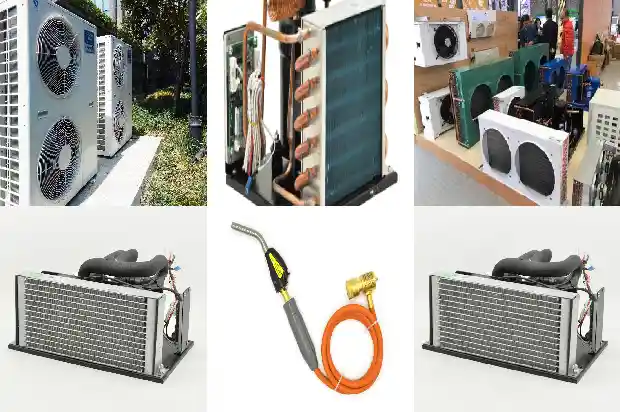
Design of the Thickness of the Thermal Insulation Layer
The thermal insulation material of the cold storage should be an environmentally friendly polyurethane material with mature technology and one-time high-pressure foaming. Polystyrene foaming material can also be used. Generally, for a cold storage with a storage temperature above -22°C throughout the year, it is best to choose a 100mm-thick thermal insulation layer for the storage panel; for a cold storage below -22°C, it is best to use a 50mm-thick thermal insulation layer; for a cold storage below -30°C, it is best to use a 200mm-thick thermal insulation layer (for reference).
The thermal insulation material of the cold storage should be an environmentally friendly polyurethane material with mature technology and one-time high-pressure foaming. Polystyrene foaming material can also be used. Generally, for a cold storage with a storage temperature above -22°C throughout the year, it is best to choose a 100mm-thick thermal insulation layer for the storage panel; for a cold storage below -22°C, it is best to use a 50mm-thick thermal insulation layer; for a cold storage below -30°C, it is best to use a 200mm-thick thermal insulation layer (for reference).
Design of the Balance Window
Small cold storages require sealing. During actual use, due to the large temperature difference between the inside and outside of the cold storage, the situation of thermal expansion and contraction may easily occur, resulting in the cold storage door being unable to be opened. To solve such problems, a small cold storage must have a balance window design. When the internal pressure of the cold storage is too low, air can be appropriately supplemented to balance the pressure.
Small cold storages require sealing. During actual use, due to the large temperature difference between the inside and outside of the cold storage, the situation of thermal expansion and contraction may easily occur, resulting in the cold storage door being unable to be opened. To solve such problems, a small cold storage must have a balance window design. When the internal pressure of the cold storage is too low, air can be appropriately supplemented to balance the pressure.
Design of the Door Frame Anti-condensation
There is a gap between the door and the door frame of the cold storage. When the temperature difference between the inside and outside reaches about 10°C, the moisture in the air will condense on the surface of the door frame and even flow onto the ground inside the cold storage. Therefore, heating wires should be installed around the cold storage door to avoid the occurrence of condensation in humid weather.
There is a gap between the door and the door frame of the cold storage. When the temperature difference between the inside and outside reaches about 10°C, the moisture in the air will condense on the surface of the door frame and even flow onto the ground inside the cold storage. Therefore, heating wires should be installed around the cold storage door to avoid the occurrence of condensation in humid weather.
Requirements for Building Structure Materials of the Cold Storage
The cold storage is in a low-temperature environment for a long time, especially during the cyclic freezing and thawing process, the building structure is prone to damage. Therefore, the building materials and the structures of all parts of the cold storage should have sufficient frost resistance. In general, the requirements for the design of the building structure and materials of the cold storage are four points: thermal insulation, sealing, firmness, and frost resistance.
The cold storage is in a low-temperature environment for a long time, especially during the cyclic freezing and thawing process, the building structure is prone to damage. Therefore, the building materials and the structures of all parts of the cold storage should have sufficient frost resistance. In general, the requirements for the design of the building structure and materials of the cold storage are four points: thermal insulation, sealing, firmness, and frost resistance.
Hygiene Design
The small cold storages in high-end hotels and medical institutions have very strict hygiene requirements. To prevent potential hygiene and safety hazards, when constructing, the joints of the cold storage should be made into rounded corners with a radius of more than 30mm, and the places where three sides meet should preferably form spherical concave corners with a radius of more than 30mm. This special structure can effectively prevent hygiene dead corners and ensure the environmental hygiene inside the cold storage.
The small cold storages in high-end hotels and medical institutions have very strict hygiene requirements. To prevent potential hygiene and safety hazards, when constructing, the joints of the cold storage should be made into rounded corners with a radius of more than 30mm, and the places where three sides meet should preferably form spherical concave corners with a radius of more than 30mm. This special structure can effectively prevent hygiene dead corners and ensure the environmental hygiene inside the cold storage.
Supplementary: Points to Note during the Installation and Use of the Cold Storage
- If the construction quality control is not strict, "when the designed temperature difference between the two sides of the enclosure structure is equal to or greater than 5°C, an air barrier layer should be set on the side with a higher temperature." If this is not strictly implemented, it will affect the quality of the food cold storage. The quality should be strictly controlled, and good insulation panels should be selected.
- The top panel of the food cold storage equipment should not have sundries stacked on it, otherwise, the food cold storage panel will be deformed, affecting the thermal insulation performance. The passages around the cold storage should be kept unobstructed to ensure good heat dissipation. The installation location of the cold storage should be kept dry, clean, and free of flammable and explosive items to ensure there are no safety hazards. A certain gap should be reserved in front of the evaporator to avoid affecting the refrigeration effect.
- Due to the misunderstanding of the moisture-proof, air-barrier, and thermal insulation layer of the food cold storage, from the beginning of the design, there is a lack of clear understanding of the working principle of the cold storage and the influence of the external environment on the operation of the cold storage. It is thought that whether the waterproof and air-barrier layer is installed or not has little impact on the thermal insulation effect of the food cold storage, and it is even considered that there is little difference whether it is installed or not and which material is selected. This has led to insufficient control in the design.
Related Articles
- Why is the Evaporator Position Higher than the Compressor? Several Key Points of Oil Return in the Refrigeration System!
- What Key Points Should Be Noted in the Transportation and Storage of Vaccine Cold Storage Projects?
- What Knowledge Points Should Users Know about the Safety Valve in the Refrigeration System?
- Precautions for Refrigerant Charging and Maintenance Key Points of R410A Refrigerant Air Conditioners
- Introduction: Ten Key Points Every Refrigeration Professional Should Know
- HVAC Construction Technology and Management: All Key Points to Note Are Here!
- How Important Is the Installation Environment of Refrigeration Units? Just Do These 4 Points!
- Reference Points for Selection of Screw - type Chillers
- Introduction to Key Points of Compressor Grouping in Quick-freezing Cold Storage
- 4 Points on Causes of Water Leakage in Closed Cooling Towers
- Fin Spacing Design of Cooler and Several Knowledge Points of Defrosting in Cold Storage
- Signs of a Normal Cold Storage and Troubleshooting
- Interpretation of Components and Common Faults in the Cold Storage System
- Installation Project and Usage Introduction of Parallel Compressor Units in Cold Storage
- Names, Functions and Maintenance Methods of Each Component in the Cold Storage System
- Design, Model Selection, Installation, Electrical Control and Precautions of Small Cold Storage
- Management and Use of Cold Storage and Analysis and Troubleshooting of Common Faults
- Medical Device Cold Storage—"An Unusual Cold Storage"